#pandemic preparedness
#pandemic preparedness
[ follow ]
#pandemic-preparedness #public-health #global-health #bird-flu #mrna-technology #vaccine-development
#pandemic-preparedness

Coronavirus
fromMedCity News
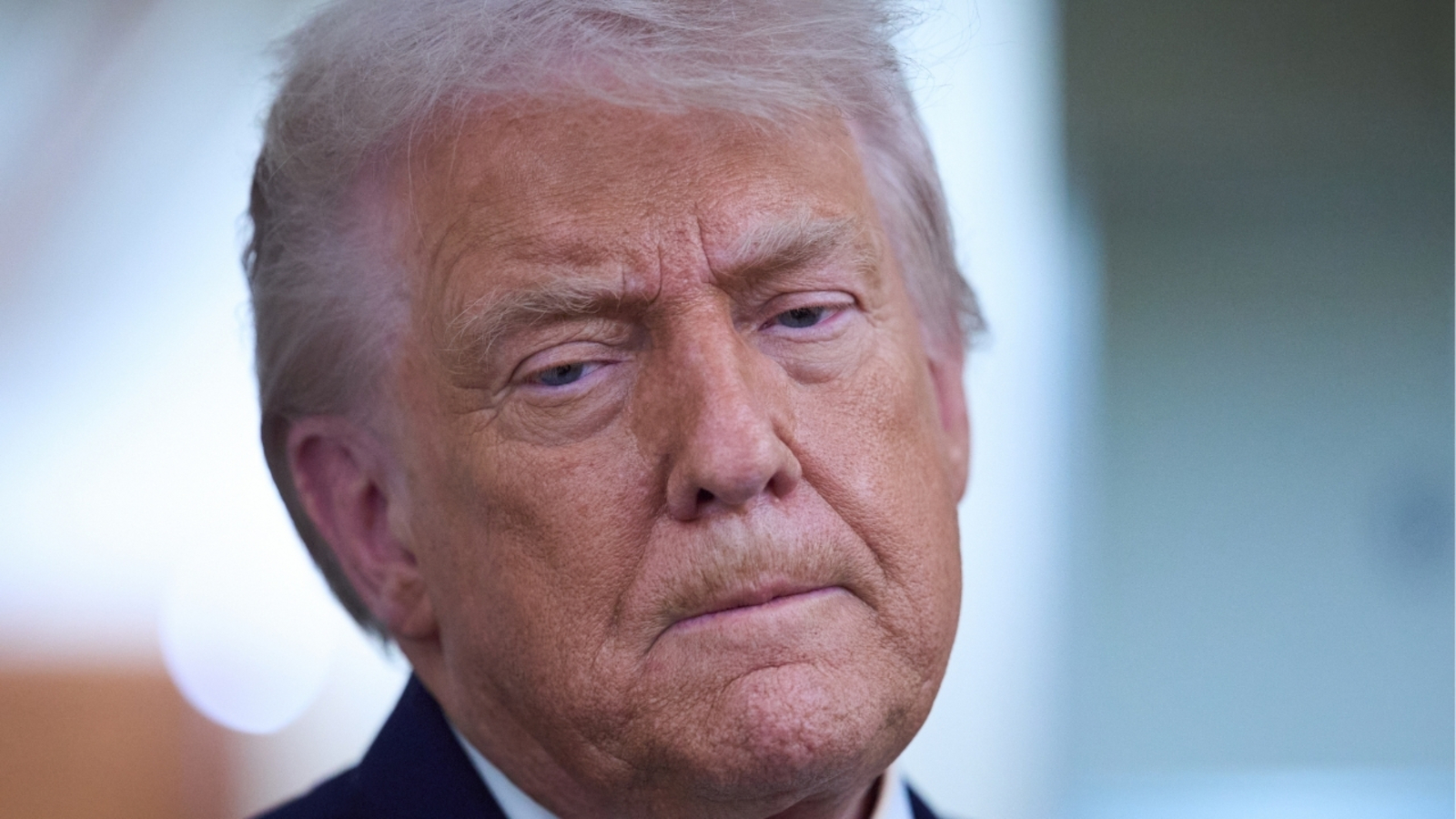
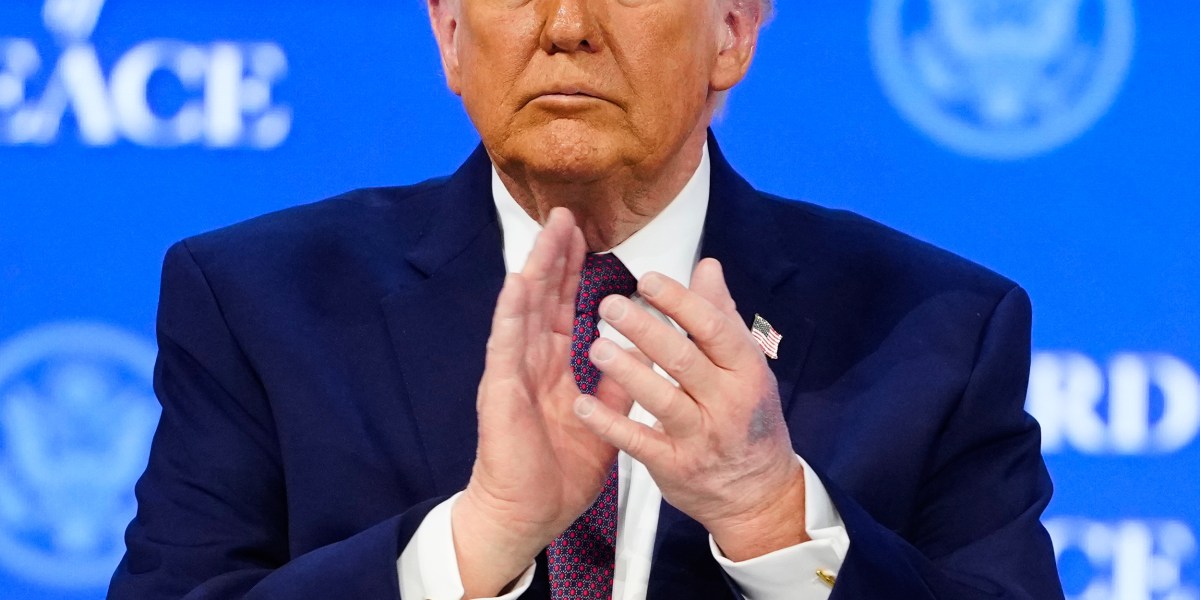
11 months agoIn Axing mRNA Contract, Trump Delivers Another Blow to US Biosecurity, Former Officials Say - MedCity News
The Trump administration's contract cancellation threatens U.S. pandemic preparedness and national defense, making Americans vulnerable to potential biological threats.

Coronavirus
fromMedCity News
11 months agoIn Axing mRNA Contract, Trump Delivers Another Blow to US Biosecurity, Former Officials Say - MedCity News
The Trump administration's contract cancellation threatens U.S. pandemic preparedness and national defense, making Americans vulnerable to potential biological threats.
OMG science
fromwww.theguardian.com
6 days agoThe odds are not in our favour': who sets the Doomsday Clock and what can they tell us about the future of humanity?
Multiple escalating global risks—nuclear conflict, climate change, AI unpredictability, pathogen threats, and weakened preparedness—push humanity closer to catastrophe.
Public health
fromwww.theguardian.com
2 months agoUK government axes flagship global health project
UK aid cuts are forcing closure of the Global Health Workforce Programme, ending healthcare worker training and development across six African countries despite ministers previously emphasizing its role in pandemic preparedness.
Artificial intelligence
fromFortune
4 months agoBill Gates says AI could be used as a bioterrorism weapon akin to the COVID pandemic if it falls into the wrong hands | Fortune
Artificial intelligence will change society more than past inventions and poses significant benefits and risks, including bioterrorism and job disruption.
fromwww.aljazeera.com
4 months agoGlobal health's defining test
Perhaps the most significant milestone was the adoption by WHO Member States of the Pandemic Agreement, a landmark step towards making the world safer from future pandemics. Alongside this, amendments to the International Health Regulations came into force, including a new pandemic emergency alert level designed to trigger stronger global cooperation. And to sustainably finance the WHO's work, governments in a historic show of support increased their contributions to our core budget.
Public health
fromHarvard Gazette
4 months agoStopping the next pandemic - Harvard Gazette
A team of researchers from the Broad Institute and Harvard began to suspect nearly two decades ago that so-called "emerging diseases" such as Ebola and Lassa virus were not quite what they seemed. Rather than being newly evolved contagions, mounting evidence suggested they were ancient pathogens that had circulated among humans for thousands of years. What really was emerging was accurate diagnosis: Medicine only recently had acquired the ability to detect these diseases and track the toll of outbreaks.
Science
fromNature
5 months agoHow COVAX raced to protect the world from COVID-19
Most people don't like getting vaccines, much less seeing their children have needles poked into their thighs and arms. But context can change that. Besieged by terrifying outbreaks of paralytic polio and the spectre of iron-lung respirators, many parents were happy to see their children receiving the first polio vaccinations in the 1950s. Similarly, when I got my first COVID-19 vaccine, it instantly relieved the sense of existential dread that I had felt for almost a year as the death toll rose.
Public health


fromwww.npr.org
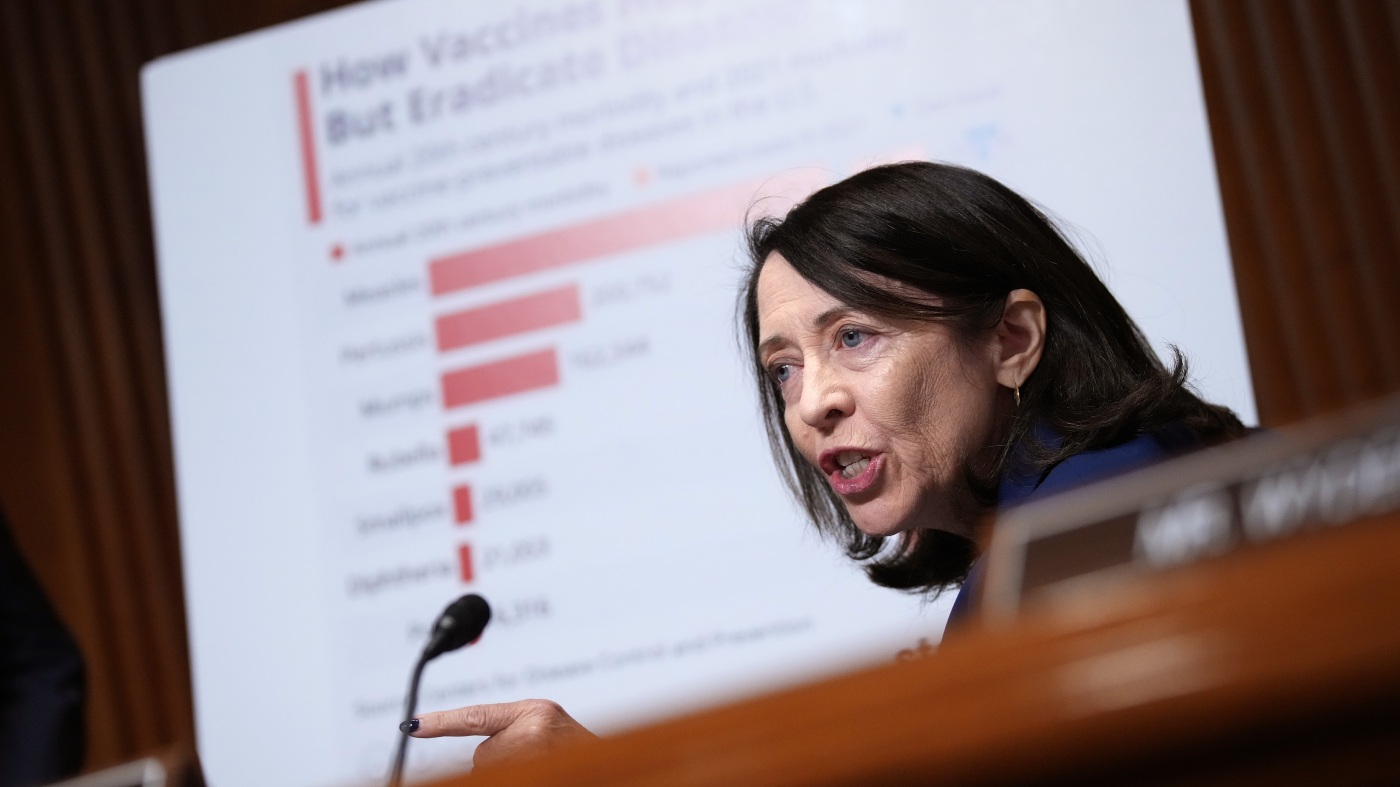
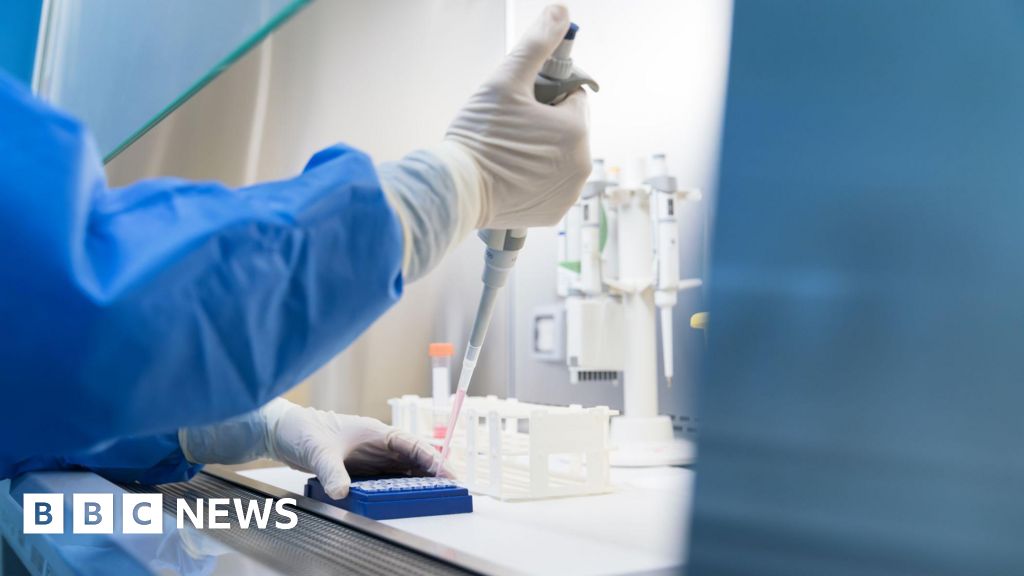
10 months agoCanceled grants get the spotlight at a Capitol Hill 'science fair'
These discoveries may not just save our own lives, but the lives of people we love. Nearly every innovation that defines our era, every breakthrough from my field and from those of my colleagues, traces back to basic science research.
US news
European startups
fromSilicon Canals
11 months agoDutch-based Leyden Labs secures 20M from EIB
Leyden Laboratories secures €20M funding to enhance pandemic preparedness through innovative antiviral research.
The focus is on developing non-vaccine therapies for respiratory viruses, specifically a nasal spray targeting influenza.
fromwww.scientificamerican.com
1 year agoUniversal Vaccines Have Eluded Scientists for Years. RFK, Jr., Is Betting This Approach Will Succeed
Scientists have pursued a universal influenza vaccine for decades to protect against various strains, with recent plans for $500 million in funding marking significant progress.
Coronavirus
[ Load more ]